
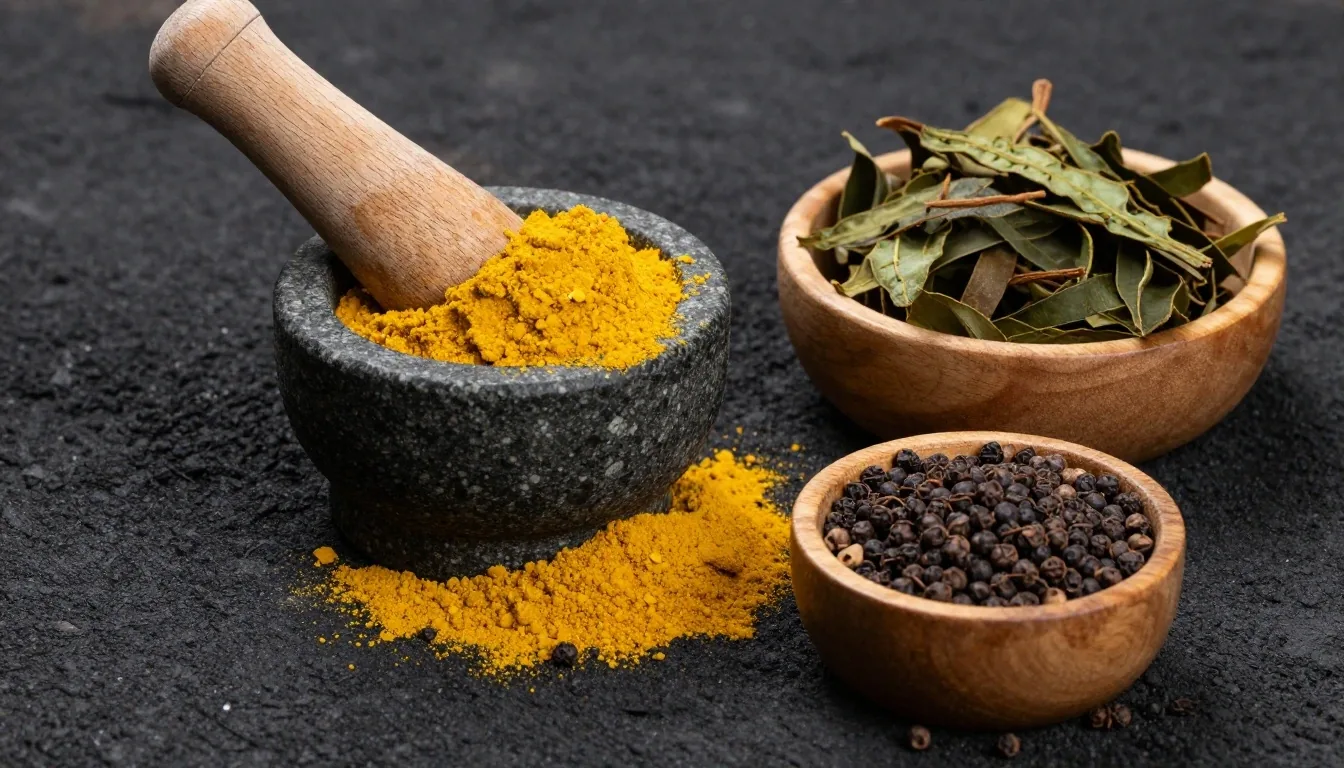
Ingredients and sourcing for our natural supplements
An ingredient list is only useful if you can trace it back to a source. This page covers where the vitamins, minerals, and plant-based components in our natural capsules come from, how they are processed, and what standards we follow during production.
Our approach
Traceable origins
We name the form of every vitamin and mineral, and we note the country of origin for plant materials where our supplier confirms it. If we cannot verify a sourcing detail, we leave the field blank rather than fill it with a guess.
Standard manufacturing
Our capsules are produced in facilities that follow standard manufacturing practices for dietary supplements in Indonesia, including ingredient inspection on arrival, batch sampling, and label verification.
Honest labels
We do not claim third-party certifications we do not hold. If a product meets a specific standard, we state that on the product page. If it does not, we leave the claim off rather than inventing a badge.
Vitamin and mineral sourcing
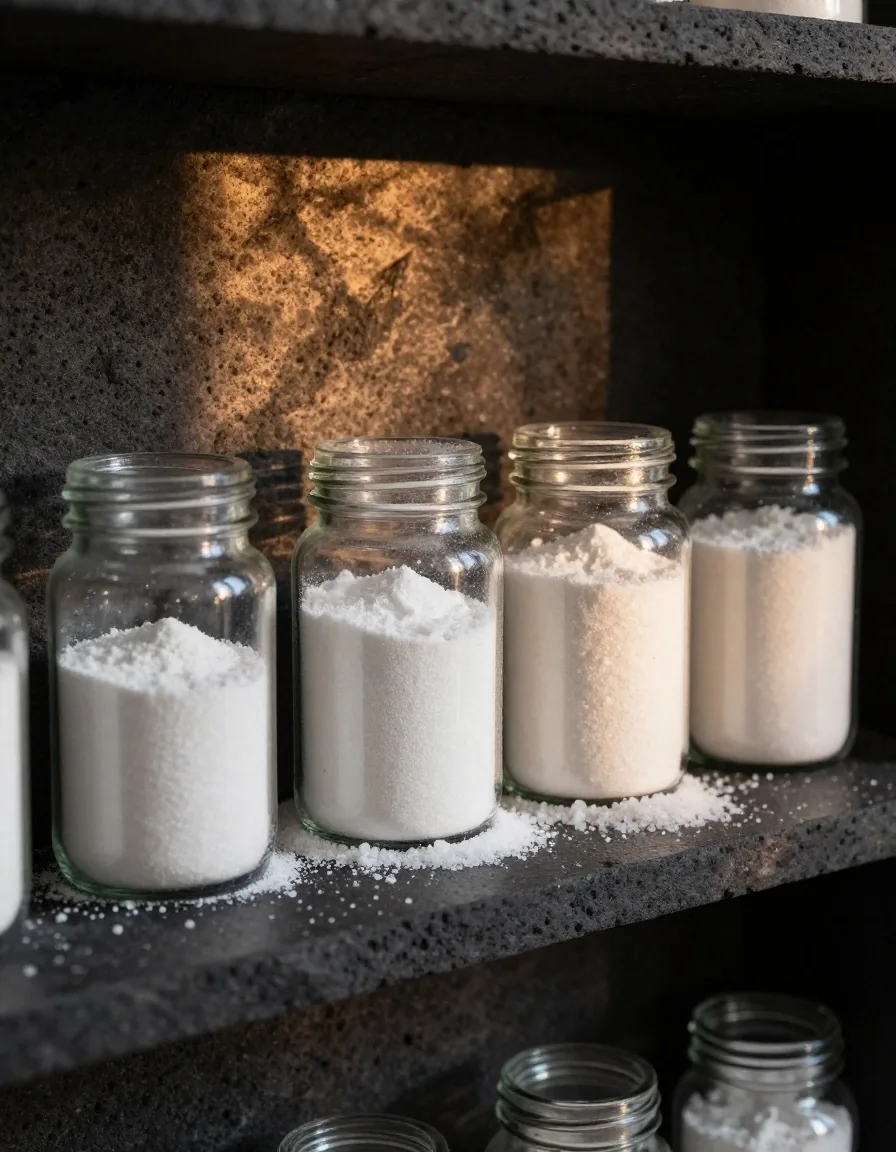
The vitamins and minerals in our products — such as vitamin C, B-complex, vitamin D, zinc, and magnesium — are supplied in standard nutritional forms. We source these from ingredient suppliers who provide documentation on the form and purity of each component.
For example, our zinc appears as zinc gluconate, and our magnesium as magnesium oxide. We use these forms because they are widely recognized in supplement manufacturing and are easy to identify on a label. When you read the ingredient list on any of our men's vitamin supplements, you will see the specific form of each nutrient rather than a generic name.
Why the form matters
The form of a vitamin or mineral tells you what compound you are actually consuming. Zinc gluconate and zinc oxide are both zinc, but they are different molecules. Naming the form lets you compare our products against others and against what your own practitioner recommends.
Plant-based ingredient origins
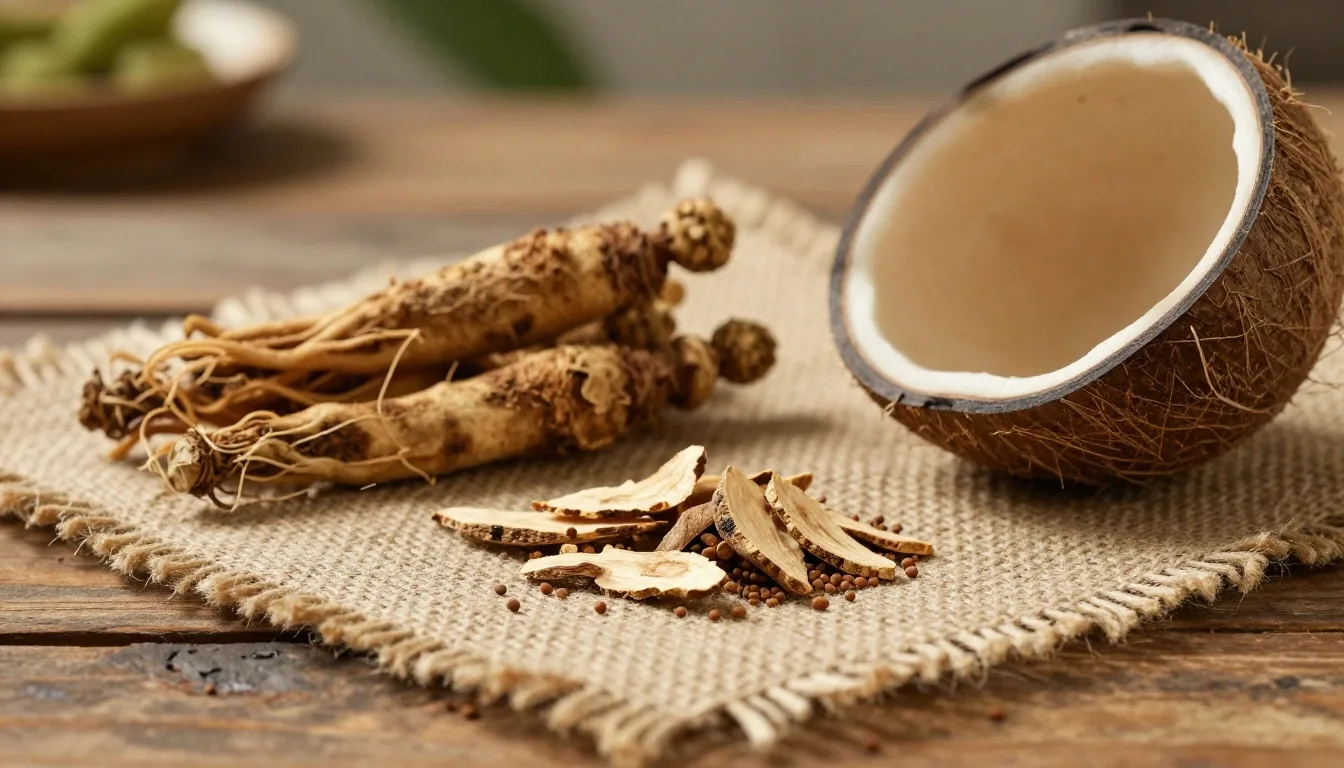
Our plant-based ingredients come from regional suppliers in Southeast Asia. Ginseng root, turmeric, fenugreek, and tongkat ali are sourced from growers in Indonesia and neighboring countries. We choose suppliers who can provide batch information and confirm the plant species used.
Each ingredient page notes the country of origin where available, so you can see where the components in your natural capsules for strength and vitality were grown. These plant materials arrive as dried roots, seeds, or powders and are processed into finished supplements at our production facilities.
Processing and capsule production
After sourcing, ingredients are processed into powder form and encapsulated. Our capsules are produced in facilities that follow standard manufacturing practices for dietary supplements. Each batch is labeled with a production number that we can trace back to the ingredient lot.
Grinding
Dried plant materials — roots, seeds, and stems — are ground into a fine powder. The particle size is checked so that each capsule fills consistently by weight.
Blending
Plant powders are blended with vitamin and mineral components where the formula calls for both. The blend is mixed until the distribution is even throughout the batch.
Encapsulation
Capsules are filled by weight, not by volume, so each one holds a measured amount of the blended formula. The production number assigned at this stage ties the batch to its ingredient lot.
Quality standards we follow
We follow standard industry practices for supplement production in Indonesia. This includes ingredient inspection on arrival, batch sampling, and label verification before products are packed. These steps are part of how we make sure the bottle you receive matches the label on the shelf.
We do not claim third-party certifications we do not hold. If a product meets a specific standard, we state that standard on the product page. If it does not, we leave the claim off rather than inventing a badge. This applies to our full catalog of healthy lifestyle products — not just a subset.
When we say we follow standard manufacturing practices, we mean the routine steps a supplement facility in Indonesia is expected to follow: inspecting raw ingredients when they arrive, sampling batches during production, and checking that each label lists the right contents before the bottles are sealed.

Each batch receives a production number that ties it back to the ingredient lot it was made from.
What we mean by "natural"
Natural ingredients
When we say a product is natural, we mean that its active components come from plant sources rather than synthetic isolation. Turmeric extract, ginseng root powder, and fenugreek seed are examples of natural ingredients in our catalog. These are the materials we source from regional growers in Southeast Asia.
- ▸ Turmeric extract
- ▸ Ginseng root powder
- ▸ Fenugreek seed
- ▸ Tongkat ali root
Vitamins and minerals
Vitamins and minerals are produced in standard nutritional forms through industrial processes, which is the norm for dietary supplements worldwide. We distinguish between these two categories on each product page so the label is clear about what is plant-sourced and what is industrially produced.
- ▸ Vitamin C
- ▸ B-complex vitamins
- ▸ Vitamin D
- ▸ Zinc gluconate · Magnesium oxide
Extract ratios and standardization
Some of our plant-based ingredients are sold as extracts, which means the raw material is processed to concentrate certain components. A 10:1 extract ratio means that 10 units of raw plant material were used to produce 1 unit of extract.
Standardized extracts specify a target percentage for an active component, such as 95% curcuminoids for turmeric. We list extract ratios and standardization details on product pages where they apply, so you can compare products accurately rather than guessing from a generic ingredient name.
In plain termsIf you see a 10:1 extract ratio on a product page, it means the manufacturer used 10 kilograms of raw plant material to produce 1 kilogram of the extract in that product. The ratio describes concentration, not potency. A standardized extract adds a target percentage for the active compound the extract is meant to deliver.
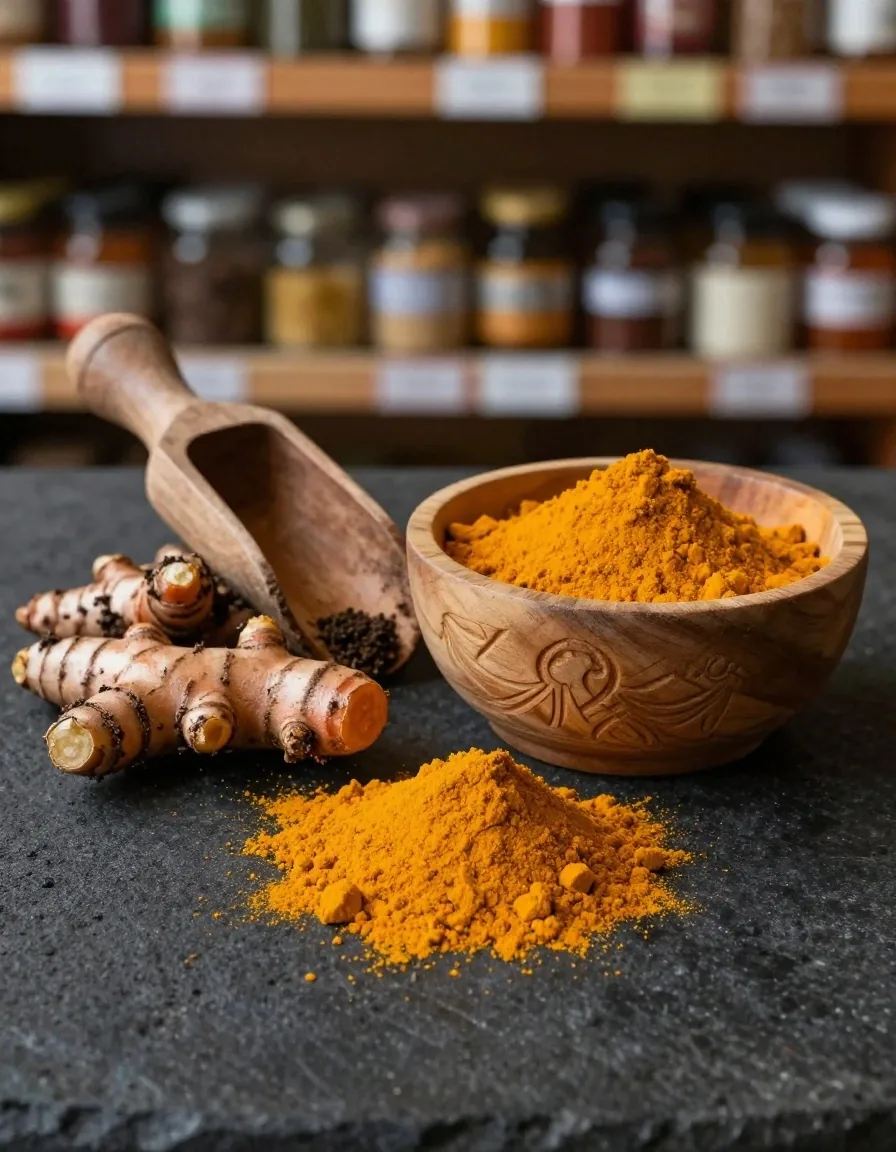
Packaging and storage
Finished capsules are packed in sealed bottles with desiccant inserts to reduce moisture exposure. Labels include the ingredient list, suggested daily use, production batch number, and storage directions. We recommend storing bottles in a cool, dry place away from direct sunlight. Shelf life varies by product, and the expiration date is printed on each bottle. These details are standard for supplement packaging, but we list them here because customers sometimes ask.
Sealed bottles
Capsules are sealed in bottles with desiccant inserts to limit moisture exposure after opening.
Full labels
Each label lists ingredients, suggested daily use, batch number, and storage directions.
Cool and dry
Store bottles in a cool, dry place away from direct sunlight to protect the capsules.
Expiration date
Shelf life varies by product. The expiration date is printed on each bottle.
Sourcing limitations and transparency
Not every ingredient in our catalog is traceable to a single farm or field. Vitamins and minerals, in particular, are produced by industrial suppliers and distributed through regional channels. We name the form of each vitamin and mineral, and we name the country of origin for plant materials where our supplier confirms it.
If we cannot verify a sourcing detail, we do not state it. We would rather leave a field blank than fill it with a guess. This is why some product pages list a country of origin for a plant ingredient and others do not — the difference reflects what our supplier has been able to confirm, not a choice to withhold information.
Frequently asked questions
Are all your ingredients sourced from Indonesia?
Our plant-based ingredients come from suppliers in Indonesia and neighboring Southeast Asian countries. Vitamins and minerals are produced industrially and distributed through regional suppliers. We note country of origin on product pages where our supplier confirms it.
What does a 10:1 extract ratio mean?
A 10:1 extract ratio means that 10 units of raw plant material were used to produce 1 unit of finished extract. This is a standard way to describe the concentration of plant-based supplements.
Do you test every batch?
We follow standard supplement manufacturing practices, which include batch sampling and ingredient inspection. We do not claim third-party laboratory testing unless a specific product has undergone that process and the results are available.
Why do you use standard gelatin capsules for some products?
Standard gelatin capsules are widely used in supplement production and are compatible with most ingredient types. For products where a vegetable-based capsule is more appropriate or requested, we use that format instead. Each product page specifies which capsule type is used.
Can I visit your production facility?
Our production facilities are not open to the public for visits. If you have specific questions about manufacturing standards or batch documentation, you can contact us and we will respond based on the information available.
Questions about where our ingredients come from?
If you want to know more about a specific ingredient, its form, or its country of origin, we are happy to share what we can confirm. You can also browse our products to see full ingredient labels, or read our energy and endurance guide for more context on how these components fit into a daily routine.
Address
Jl. Basuki Rahmat No. 12, Embong Kaliasin, Genteng, Surabaya, Jawa Timur 60271, Indonesia
Phone
+62 31 532 8267Hours
Monday to Friday, 9:00 AM – 6:00 PM WIB